- Prep your next track before the current one ends.
- Use vocal cues to bridge the song change.
- Match BPMs for smoother energy shifts.
- Avoid dead air or fumbling with music.
The challenge of seamless transitions
A dead room happens in the three seconds of silence between tracks. Instructors using Apple Music often rely on the auto-crossfade, but a generic overlap does not always catch the energy. When a heavy climb ends and the next sprint track takes too long to build, riders lose their focus.
Timing the handoff requires knowing exactly when the new track hits. Using On the Beat helps map the tracks to the beat and find the drop, taking the guesswork out of the timing. You can line up the exact moment the resistance comes off and the pace picks up.
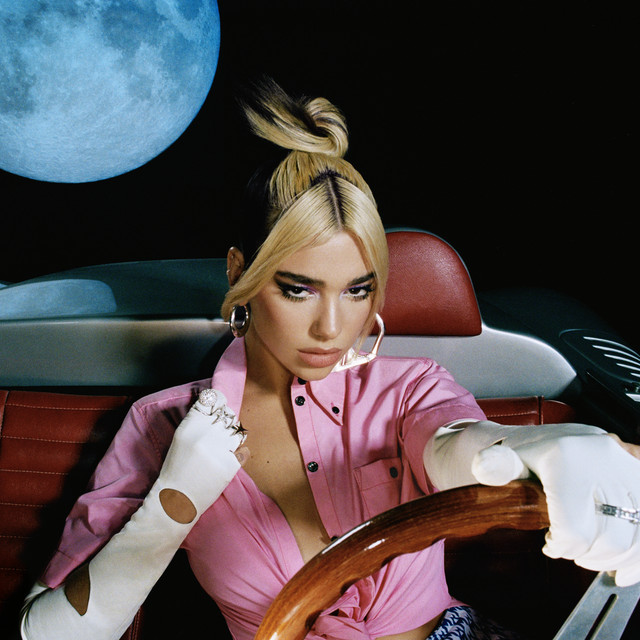
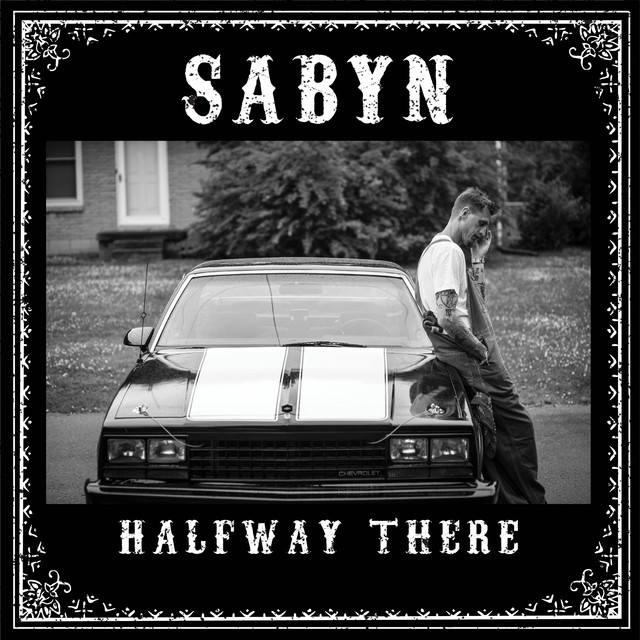
While the catalog does not explicitly tag "transitioning" songs yet, building a playlist with similar-energy tracks keeps the room moving. Here is a sequence of high-energy picks that flow well together.
- Beat dropsDrop 10:43Drop 21:09Drop 31:38Drop 42:45







Cues that keep the energy flowing
Talking through the crossfade keeps riders engaged while the music shifts. The goal is to give them a physical task before the next beat establishes itself.
- Hold the resistance. "Keep that heavy gear on the wheel while the rhythm changes." This prevents riders from spinning out during the fade.
- Preview the next move. "We are dropping the pace and standing up on the heavy beat." Give them the drill before the new track fully takes over.
- Count them in. "Find the new right-left in four, three, two, one." A vocal countdown bridges the gap between two different tempos.
Mistakes that drop the beat
- Relying on default settings. Leaving Apple Music on a standard fade often results in clashing vocals or muddy basslines.
- Ignoring drastic BPM shifts. Jumping directly from a 160 BPM sprint into a 94 BPM heavy climb jars the legs. You have to cue the transition and give riders time to find the new rhythm.
- Stopping to explain. Letting the music fade completely out to describe the next drill kills the momentum. Keep the music running and cue over the intro.
FAQ
How many seconds should the Apple Music crossfade be for indoor cycling?
A crossfade of 3 to 6 seconds works best for most cycling playlists. This allows the outgoing beat to blend with the incoming intro without creating a long, muddy overlap.
How do you transition between two songs with very different BPMs?
Cue a clear break in the work, instructing riders to hold their resistance and let their legs slow down. Count them into the new rhythm only after the new beat drops.
Check your crossfade settings before you clip in for your next class. A smooth handoff between tracks keeps the room locked in and ready for the next drill.