- Cue breath before the effort, not during it.
- Match breath cues to the music's energy.
- Use simple, actionable language for breathing.
- Avoid over-explaining or complex instructions.
The Challenge of Cueing Breath During Hard Efforts
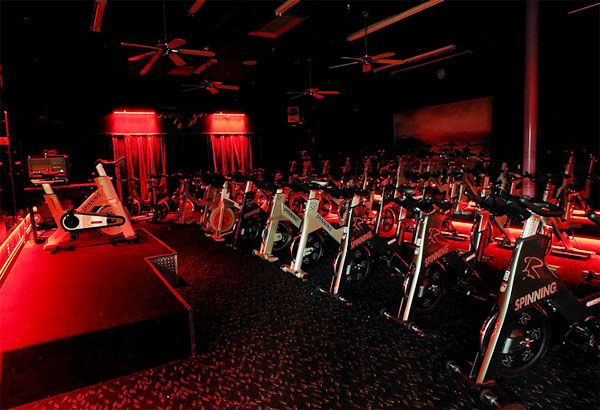
When resistance gets heavy or cadence spikes, the natural human instinct is to brace and hold on. You see shoulders creep up toward ears, grips tighten on the handlebars, and faces turn red. The room goes quiet because everyone is trapping air in their lungs trying to muscle through the work.
Cueing breath is not just about oxygen. It is about rhythm and relaxation under stress. A rider cannot maintain an intense effort if their upper body is rigid. Using the visual timeline of beat drops and energy shifts in On the Beat helps anticipate these intense efforts and recoveries. This lets you time breath cues exactly when the music demands the most from the room, getting ahead of the tension before it sets in.
Breath Cues That Land
- "Exhale on the push." Directing the out-breath to the hardest part of the pedal stroke gives riders physical power and forces them to establish a rhythm.
- "Drop your shoulders, open your chest." Fixing posture automatically expands lung capacity without making riders overthink the mechanics of their lungs.
- "Breathe in for four, out for four." Giving a specific count matched to the BPM keeps the mind occupied and the heart rate manageable during recovery blocks.
Here are a few tracks where timed breath cues keep the room moving through high-effort pushes:
- On The Floor - Radio EditJennifer Lopez, PitbullMax Sprint3:51130 BPM
Use the driving rhythm to cue sharp exhales on every pedal stroke during the sprint.
Beat dropsDrop 10:46Drop 21:22Drop 32:33Drop 43:24







Breath Cues That Backfire
- "Don't hold your breath." Telling someone not to do something usually makes them hyper-fixate on it and tense up further.
- "Take a deep breath." In the middle of an all out pace, asking for a massive inhale can cause a rider to lose rhythm, break form, and gasp.
- "Breathe through your nose." During a max sprint, nasal breathing restricts airflow when muscles need oxygen the most.
FAQ
When is the best time to cue breathing?
Cue breath mechanics during the buildup before the drop, so riders are prepared and relaxed right as the heavy work hits.
How often should you remind the room to breathe?
Keep it to once per intense interval or immediately after a peak effort, avoiding constant nagging that distracts from the music.
Next time the room tenses up during a brutal push, skip the motivational phrases and just tell them exactly how to exhale. A simple, well-timed breath cue will get them over the finish line.