- Structure intervals to build in intensity and resistance.
- Use music to support escalating power blocks.
- Cue riders to add resistance gradually.
- Focus on short, high-effort pushes.
The Shape of Progressive Power
A progressive power cycling class requires discipline from the room. Riders want to push hard from the first song. If they do, they have nowhere to go for the next forty minutes. Structuring intervals that build in intensity and resistance over the course of the ride keeps the class focused and prevents early burnout.
This template holds a steady 130 BPM pace (using a playlist of 129 BPM tracks) to build a 45-minute class. Keeping the leg speed locked allows the resistance to become the primary variable. As the class moves forward, the gear gets heavier and the pushes demand more force.
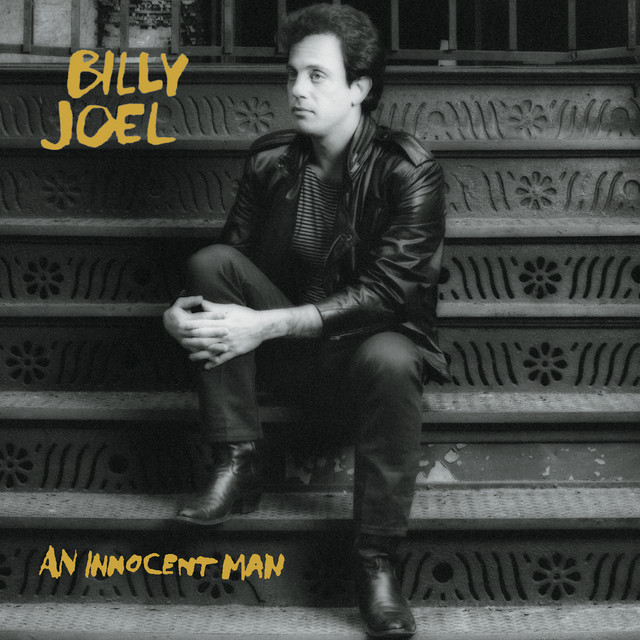
Mapping these escalating power blocks takes specific music. On the Beat filters songs by BPM and energy, making it simple to find tracks that match the exact intensity needed for each phase of the ride. Early songs feature rolling energy for moderate sprints. The back half relies on driving, high-tension builders for max sprints.
A 45-Minute Progressive Power Ride Plan
- Beat dropsDrop 10:53Drop 21:41





Coaching Progressive Power
Guiding a room through a progressive power build means managing their energy as much as their resistance. The cues have to hold them back early so they can peak late.
- Set a ceiling early. Tell the room exactly what the first moderate sprint should feel like. If they hit their max effort in the first ten minutes, the final blocks will fall flat.
- Cue the additions clearly. When moving from a moderate sprint to a max sprint, give them a concrete gear addition. A blind cue to "add a little" usually results in riders turning the knob a millimeter.
- Use the song structure. The rolling tracks early in the ride support shorter, sharper efforts. The longer tension tracks in the back half, like the seven-minute stretch of "glow," demand sustained, heavy power.
A common mistake instructors make is ignoring the recovery.
- Skipping the reset. Progressive power does not mean continuous power. Riders need the rolling flats between sprints to flush their legs. If the baseline pace creeps up into a working effort, the next max sprint suffers.
FAQ
How do you cue resistance for progressive power?
Give riders a clear starting gear that feels like a flat road, then cue specific, measurable turns for each interval. Tell them exactly how heavy the final push should feel before the class even begins.
What makes a song good for a power interval?
Power intervals need clear, distinct energy shifts. A track with a defined builder and a heavy, driving drop gives the room a precise moment to hit their max sprint.
Take this structure into your next class and watch how the room responds to a true, measured build. Holding them back early makes the final sprint hit exactly the way it should.