- Clearly define sprint duration and intensity.
- Emphasize full, active recovery.
- Cue body position for optimal power.
- Avoid vague or overly complex instructions.
The Challenge of Cueing Sprints
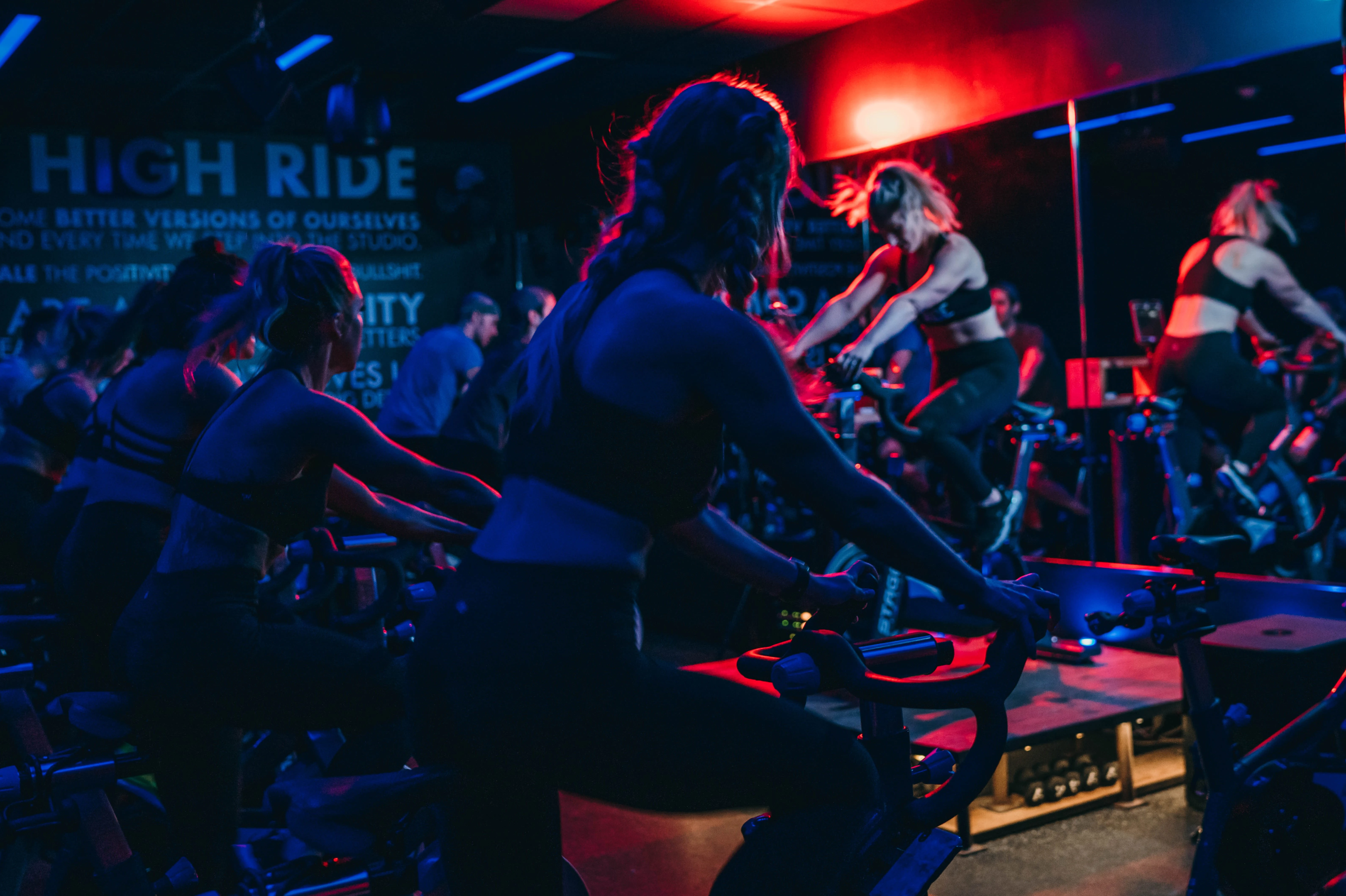
A rider starts pedaling furiously the second you mention a sprint. Their hips bounce, their shoulders tense up, and they run out of breath ten seconds into a thirty-second effort. This happens in almost every class.
Speed without resistance is just momentum. To generate actual power, riders need enough gear to push against. Getting them to trust that heavy resistance is the hardest part of the setup.
Timing is the other half of the battle. A sprint feels hollow if it misses the music's energy. Using On the Beat lets you map sprint intervals perfectly to beat drops. Your power cues land exactly when the track demands it.
Cues That Drive Power and Recovery
These are direct commands to keep form tight and output high.
- "Add the heavy gear before you find the speed." Force them to build the road first.
- "Drive through your heels, not your toes." This engages the hamstrings and glutes for maximum power.
- "Drop your shoulders away from your ears." Tension in the upper body wastes energy the legs need.
- "You have ten seconds left, empty the tank." Give a clear countdown so they know the end is near.
- "Sit up, take the gear off, and breathe." Make the recovery an explicit instruction, not a suggestion.
Common Sprint Cueing Mistakes
Even experienced instructors fall into these traps when the room gets loud.
- Cheerleading instead of coaching. Yelling "go faster" does not help a rider who is bouncing in the saddle. Give them a physical correction instead.
- Rushing the setup. Giving the room two seconds to add gear guarantees they will sprint on a flat road. Build the resistance early.
- Skipping the true recovery. Moving straight into a heavy climb after a max sprint leaves riders breathless and sloppy. True power requires rest.
Here is a playlist of driving tracks perfect for building max sprints.
- Beat dropsDrop 10:16Drop 20:31Drop 30:46Drop 42:00








FAQ
How long should a cycling sprint last?
Keep true max sprints between 15 and 30 seconds. Anything longer turns into an endurance push rather than a peak power effort.
How much recovery time is needed after a max sprint?
Give riders at least double the work time to recover. A 30-second sprint requires a full 60 seconds of easy riding to clear the legs.
Next time you program a heavy sprint track, watch how the room responds to a strict, quiet recovery. Letting them breathe is how you get them to fly on the next interval.