- Prioritize music and body connection over metrics.
- Cue emotions and sensations, not just numbers.
- Use music to drive the ride's intensity.
- Encourage riders to trust their own effort.
Why Numbers Can Distract from the Ride
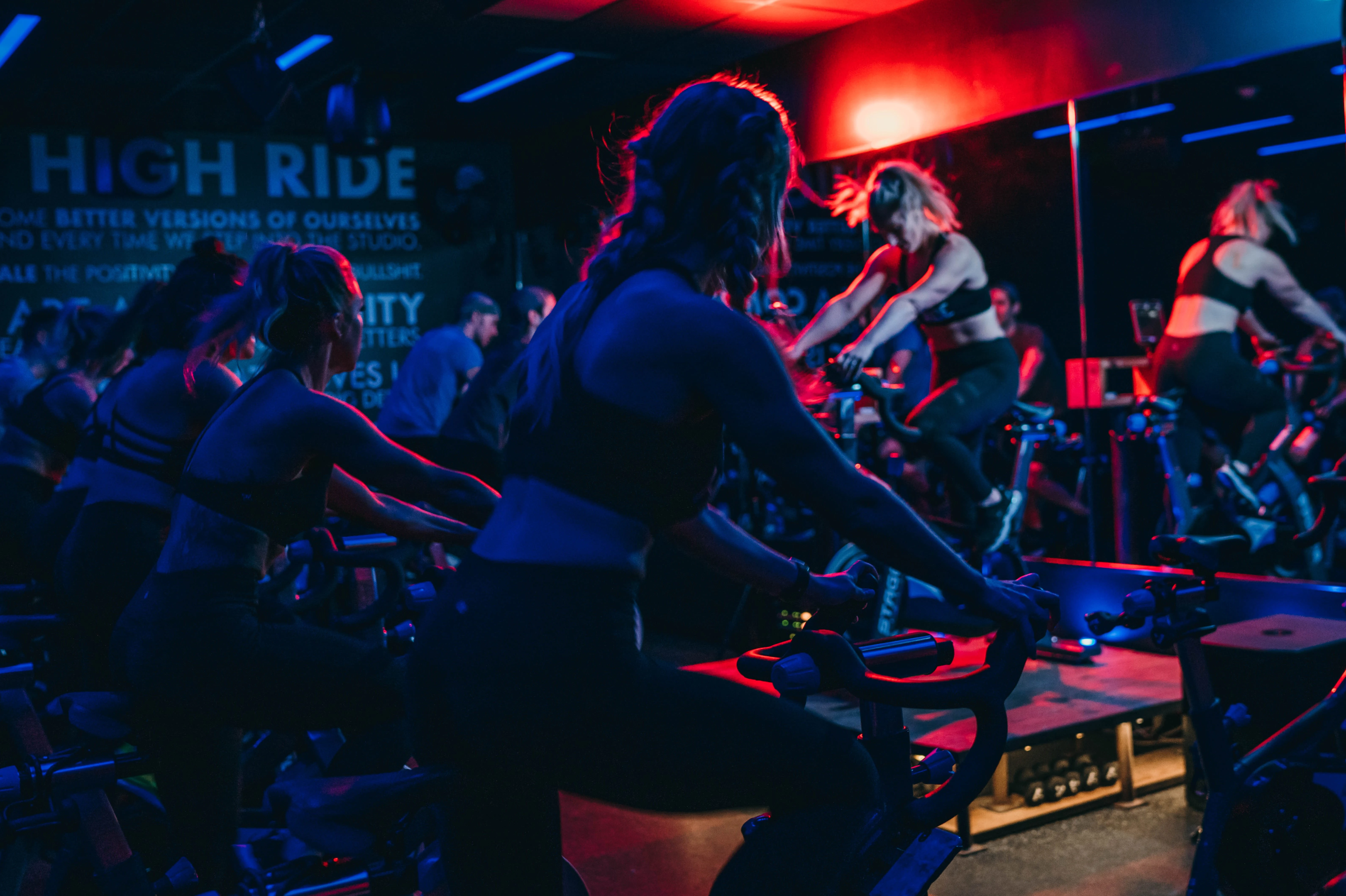
We have all seen it. The lights drop, a massive beat builds, and instead of closing their eyes and finding the rhythm, half the room is glaring down at a tiny digital screen. They are chasing a specific watt target or locking into an exact RPM readout, completely disconnected from the music and the room.
Metrics have their place, but they often pull riders out of their bodies. When a rider obsesses over the dashboard, they stop listening to their legs and lungs. Teaching to feel cycling means pulling their attention away from the data and back to the physical experience of the ride.
A heavy climb is not just a number on a screen. It is the physical sensation of mud under the tires and the grip on the handlebars.
Building a Feel-First Class
To get riders off the dashboard, the music has to do the heavy lifting. If the beat does not match the effort, riders will rely on their screens to tell them how hard to work. We have to map the energy perfectly.
Using a tool like On the Beat makes this easier by helping map choreography exactly to the music's energy and beat drops. When out-of-saddle jumps hit exactly as the bass drops, the room feels it instinctively. You do not need to call out a target wattage because the music demands the effort.
Shift your cues from numbers to physical sensations. Instead of asking for a specific resistance number, ask them to find a heavy climb. Tell them how the wheel should feel under their feet, like walking in deep sand or pushing against a heavy door.
Addressing the Data-Driven Rider
Some riders will always cling to their numbers. You will never convince the spreadsheet-loving regular to completely ignore their watts, and you do not have to. The goal is not to break the console, but to change their relationship with it.
Acknowledge the data, but ask them to check in with their bodies first. Have them cover the screen with a towel for one heavy climb. Challenge them to find their max sprint by effort alone, and only check the numbers after the track ends.
They usually find they push harder when they stop overthinking the math.
Next time you step on the podium, try leaving the numbers out of your cues for just one track. Trust the music to drive the room, and watch how quickly they find the work on their own.